
Women’s health and bridging the gender gap
In the last ten years we’ve witnessed a much larger focus on women’s health and the too often overlooked differences women experience compared to men. Medical science has been a big part of this change and is finally beginning to better describe and help us understand how the experience of women differ to men but there’s no question that a wide gender gap still exists. Women continue to carry a disproportionate burden of unmet health needs across pain, menopause, reproductive health, neurodiversity and chronic disease. The story, unfortunately is still often one of dismissal, delay and lost opportunity.
Persistent Disparities
For decades women have been told their experience is “just part of being a woman” and had their symptoms framed in a way that normalises suffering as opposed to challenging it. Conditions that we’ve been aware of for many decades like Endometriosis and Polycystic Ovarian Syndrome (PCOS) affect large numbes of cis women but continue to be under-diagnosed and dismissed. The result of all this is two-fold, the individual suffers a significant and persisting health burden and there continues to be a systemic under investment in research, diagnosis and treatment.
Menopause, miscarriage, sexual function and pleasure are often whispered about rather than proactively discussed and this despite these important areas having far reaching consequences. Menopause especially has clear and measurable impacts on cardiovascular health, bone health, sexual wellbeing and mental health and there is increasing amounts of evidence that clearly shows women’s trajectories diverge markedly from men’s. We now understand that when women suffer from a heart attack the biological pathway leading to that event is entirely different to what is common for men and yet they are treated the same with a “male model” of cardiovascular health.
Neurodiversity and missed diagnoses
The disparities, delays and under diagnoses persist with conditions such as Autism Spectrum Disorder (ASD) and Attention Deficit Hyperactivity Disorder (ADHD) which look different in both girls and adult women. The frameworks developed to diagnose these conditions have been largely developed through male presentations and so women and girls go undiagnosed and therefore navigate life without intervention or support. The consequences of this include greater mental health burden, missed educational and employment opportunities and a heightened risk of long term morbidity.
Signs of progress
There are glimmers of progress. This year Medicare has introduced new rebates for GPs to address and manage the different health experience of women. The menopause health check allows GPs and practice nurse to spend more time with patients to better understand their individual experiences and tailor health care to their individual situation. At the same time guidelines on conditions like Endometriosis are moving away from requiring laparoscopic (key-hole) surgery before treatment can be initiated. These changes in diagnostic guidelines matter because they allow women to access a diagnosis and therefore treatment and relief earlier than ever before.
What this means especially for women over the age of 40
If you are a cis women over the age of 40 the next years of your life are likely to be particularly pivotal. The transition into mid life and beyond carries unique health care challenges and now is the time to intervene to best protect your future health. At this juncture your exposure to crucial health risks (heart disease, bone health, pelvic floor strength, sexual function and mental health) accelerates.
The invitation to engage in comprehensive preventative care is often missed especially if your only exposure to the GP is standard consultations with a specific purpose in mind. Many women internalise the message that pain, discomfort, mood changes or sexual decline are “just the way things are” and this leads to a delay in seeking help. They worry they will be told that these changes are “ just a part of ageing”
Why your experience matters
Your symptoms and individual experience of health matter and deserve more than casual dismissal. When pain is dismissed, mood changes are attributes to character rather than hormonal imbalances and when neurodivergence is overlooked the cost is not just delayed diagnosis. It is compromised quality of life, loss of productivity, impaired relationships, avoidable illness and even premature death and disability. It is the frustration of living ignored.
What you can do and what our practice offers
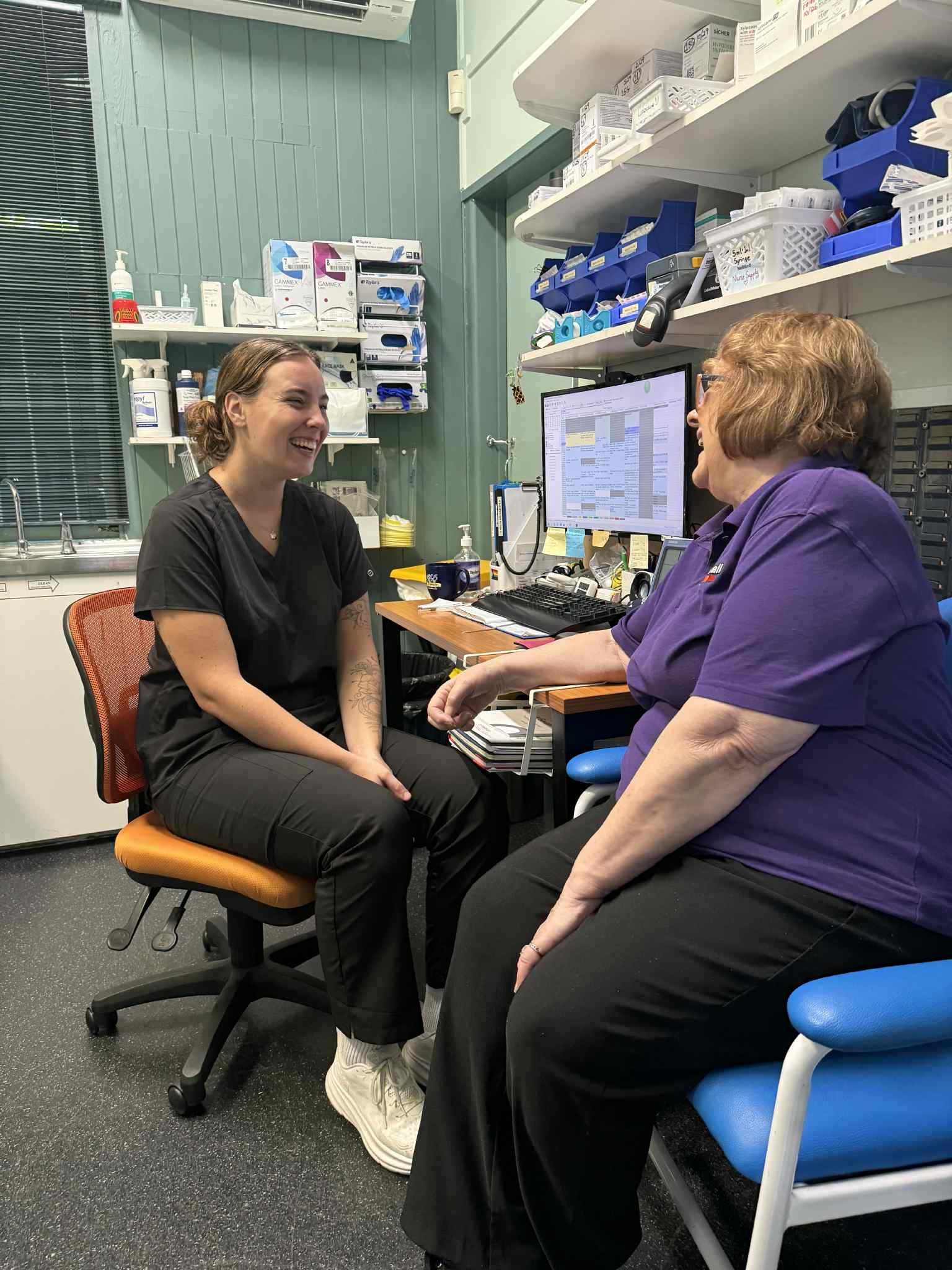
At Stonewall Medical Centre we are proud to offer bulk billed women’s health checks. Government funding allows us to target these specifically to cis women over the age of 40. These consultations start with the practice nurse who will collect and help us better understand your situation and finish with the doctor who will tailor a plan specific to you. They are designed to:
- Review your health holistically (not just hormones but cardiovascular risk, bone health, pelvic and sexual function, mood and neurodiversity screening)
- Respond to symptoms you may have learnt to normalise (pain, heavy periods, sexual dysfunction, mood swings and brain fog)
- Ensure you are heard, believed and partnered in decisions about your health and not just brushed off with “that’s just part of being a woman”
If you are a woman over the age of 40 now is the time to take action with regards to your health. Book for a women’s health check at the link below.

 Stonewall Medical Centre.