
If you’ve spent any time on queer health Twitter, Grindr chats, or in a sexual health clinic waiting room lately, you’ve probably heard whispers about DoxyPEP. Some people call it revolutionary. Others call it controversial. A few think it’s “antibiotics for vibes.”
So let’s clear things up — calmly, accurately, and with minimal pearl-clutching.
What is DoxyPEP?
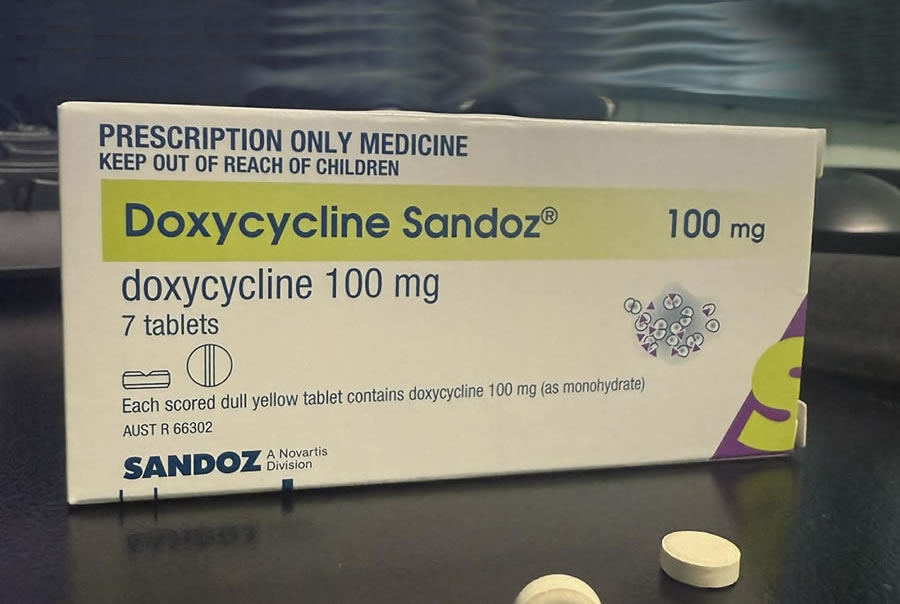
DoxyPEP stands for doxycycline post-exposure prophylaxis. In plain English: it means taking a single dose of doxycycline (200 mg) after sex to reduce the risk of some bacterial STIs.
Think of it as a seatbelt, not an airbag. It doesn’t replace condoms, testing, or good communication — but it can reduce risk when there is higher chance of STIs crashing into your day. This is about harm reduction, not slut-shaming.
Which STIs does it help prevent?
The evidence shows that DoxyPEP can reduce the risk of Chlamydia and Syphilis by 80-90%. It can help prevent Gonorrhoea, but this is only about 50% of the time because gonorrhoea already has significant resistance to doxycycline in Australia.
IMPORTANT!
🚫 DoxyPEP does not prevent viral infections like HIV, genital herpes, warts or Mpox.
Who is DoxyPEP for?
Australian experts suggest DoxyPEP may be considered for:
- Gay, bisexual and other men who have sex with men (GBMSM)
- Trans and gender-diverse people
- People with a recent history of bacterial STIs (particularly Syphilis, but also Chlamydia and Gonorrhoea) – especially if infections keep happening despite regular testing and safer-sex strategies
In other words, it is aimed at people with ongoing, higher STI exposure, not everyone who’s ever had a hookup.
How does it work?
- You take 200 mg of doxycycline – usually as 2 x 100mg capsules
- As soon as possible after sex, ideally within 24 hours but no later than 72 hours
- Never more than once per day
This isn’t a daily antibiotic and it’s not something you take “just in case” forever without review. It should be prescribed and monitored by a clinician who knows sexual health.
Is it safe?
For most people, yes — doxycycline has been used for decades. But it’s not completely side-effect-free.
Common issues include:
- Nausea and/or reflux (take it with food and stay upright!)
- Sun sensitivity (hello, SPF)
- Vaginal or oral thrush in some people (ugh!)
- Increased pressure in the brain if you are taking the acne tablet Roaccutane (yikes 😬)
What about antibiotic resistance?
This is the big concern, and it’s why DoxyPEP is targeted, not universal. Doxycycline will kill other bacteria on your skin, in your airways and in your gut, and we really don’t know how it will affect them in the longer term. For protected sex or fun stuff without penetration, DoxyPEP is probably overkill. For unprotected sex – especially when the risk is higher (e.g. sex on premises venues, sex parties, weekends with more sex partners than usual) then DoxyPEP could be your best friend.
Used in the right situations, the benefits — fewer infections, less transmission, fewer complications — can outweigh the risks. Open slather could cause problems. That’s why you should listen to a healthcare professional, not a Tik Tok influencer.
Is DoxyPEP right for you?
Maybe. Maybe not. That’s a conversation — not a checkbox.
If you:
- Are having condomless sex
- Are getting repeat STIs
- Want another layer of protection without shame or lectures
…then DoxyPEP might be worth discussing.
And if it’s not right for you? Also completely fine. Sexual health is not one-size-fits-all.
The takeaway
DoxyPEP isn’t perfect. But for some people, it’s a genuinely useful tool — one more way to take control of your sexual health while still enjoying your sex life. If you want to talk about DoxyPEP, come see us. No judgement. No scare tactics. Just evidence-based care — and maybe a little sass.

 Stonewall Medical Centre.